How to Prevent Listeria: Practical Tips for Safe Food Handling
Listeria is a serious foodborne illness caused by the bacterium Listeria monocytogenes, impacting thousands of individuals globally every year. Given its potential severity, enhancing public awareness about Listeria infections is critical. Understanding preventive measures and recognizing symptoms can significantly decrease the risk of contracting this dangerous pathogen.
Symptoms and Early Signs of Listeria Infection
Listeria infection, or listeriosis, typically begins with flu-like symptoms that include fever, muscle aches, nausea, vomiting, and diarrhea. Although these initial signs may appear mild, they can escalate quickly, especially in vulnerable groups such as pregnant women, the elderly, and those with weakened immune systems.
Pregnant women may experience specific symptoms, including nausea and vomiting, leading to severe complications like miscarriage or stillbirth. For the elderly and those with compromised immunity, the severity can increase, resulting in conditions such as meningitis, which can cause significant neurological damage and even death without immediate medical intervention.
Apart from nausea and diarrhea, serious symptoms warrant urgent medical attention. Early detection is crucial to improving health outcomes since rapid deterioration can occur in at-risk populations. Initiation of prompt antibiotic therapy is vital, as it can greatly reduce the illness's severity, thus protecting vulnerable individuals from life-threatening outcomes.
Common Sources of Listeria

Listeria monocytogenes is commonly found in various environments, primarily soil and water. Its adaptability allows it to thrive in diverse ecological settings, frequently attaching to plants or contaminating animals. Specific sources of Listeria include certain animals, particularly livestock and poultry, which can carry the bacteria without showing any signs of illness.
Food sources pose a significant risk for Listeria contamination. High-risk items include unpasteurized dairy products, such as soft cheeses that can harbor the bacteria directly from infected animals. Deli meats and smoked seafood are frequently linked to outbreaks due to improper handling or inadequate storage. Furthermore, ready-to-eat foods can become contaminated either at processing facilities or during preparation.
Foods Particularly Prone to Listeria
Some foods have a higher likelihood of Listeria contamination, increasing the risk of infection. These include:
- Soft Cheeses: Varieties like feta, brie, and blue cheese are notorious for harboring Listeria. Often made from unpasteurized milk, they can pose significant risks. Always check labels to confirm pasteurization status and opt for hard cheeses as safer alternatives.
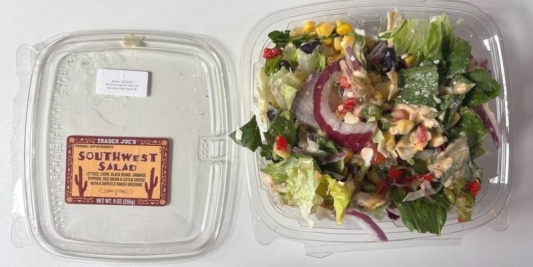
- Pre-Packaged Salads: Ready-to-eat salads, especially those including vegetable or fruit mixes, can be sources of Listeria infection. It is advisable to consume fresh, whole vegetables, washing them thoroughly or preparing salads at home to minimize risk.
- Cold Cuts and Deli Meats: Sliced meats from delicatessens can serve as a breeding ground for Listeria. Choose freshly cooked alternatives or heat deli meats until steaming hot to eliminate any potential bacteria before consumption.
By being mindful of these high-risk food types, readers can make safer dietary choices that effectively lower their risk of Listeria infection.
High-Risk Populations for Listeria Infection
Certain demographics are at an increased risk of severe Listeria infections, particularly pregnant women, the elderly, and individuals with compromised immune systems. Pregnant women are especially vulnerable due to shifts in their immune system, which prioritize the health of the fetus, making them more likely to develop infections such as Listeria. Infected pregnant women may face severe complications like miscarriage, stillbirth, or premature delivery.
The elderly are also at a greater risk due to a weakened immune response that generally accompanies aging, hampering their ability to fight off infections. Individuals with compromised immune systems, such as those undergoing chemotherapy, living with HIV/AIDS, or using immunosuppressive medications, are similarly at heightened risk due to their diminished defensive capabilities. For these populations, exposure to Listeria can culminate in severe health problems, including septicemia and meningitis, leading to long-term neurological impairments or even death.
Severe Health Risks Associated with Listeria Infection
Listeria monocytogenes presents major health risks, particularly to vulnerable groups such as pregnant women, infants, the elderly, and those with weakened immune systems. One of the most severe risks associated with Listeria infection is meningitis, which involves inflammation of the protective membranes surrounding the brain and spinal cord. According to the Centers for Disease Control and Prevention (CDC), roughly 20% of listeriosis cases progress to meningitis, with this condition's mortality rate exceeding 20% among affected individuals.
Additionally, septicemia—a profound illness marked by widespread inflammation—can occur, escalating to septic shock and possible death. A notable outbreak in California linked to contaminated food in 2011 resulted in 147 confirmed cases, illustrating the serious implications Listeria can have on public health. These statistics indicate that a Listeria infection is not merely a transient foodborne illness but a critical public health concern that can lead to devastating and life-altering health conditions.
Effective Prevention Measures Against Listeria

To combat Listeria infections effectively, strict food safety practices are paramount. It is essential first to wash your hands thoroughly with soap and water before preparing any food and to ensure food preparation surfaces are sanitized. Such measures can help mitigate the risk of bacterial transmission.
When cooking, it's important to adhere to safe temperature guidelines; Listeria can survive refrigeration but is killed by cooking food to the appropriate temperatures. For example, poultry should reach an internal temperature of 165°F (75°C) and leftovers must be thoroughly reheated.
Additionally, proper food storage is crucial in preventing infection. Keeping your refrigerator set at or below 40°F (4°C) can slow the growth of harmful bacteria. Always store raw meats on the bottom shelf to avoid drippings contaminating other foods. Regularly check expiration dates and promptly discard any expired items to minimize risks.
Handling leftovers appropriately is another vital aspect. Cool leftovers within two hours of cooking and consume them within three to four days. Never leave leftovers at room temperature for extended periods, as this increases the likelihood of contamination. By following these food safety practices, individuals can significantly lower their risk of Listeria infection and protect their health.
Daily Dietary Safety Checklist
Here’s a checklist to guide you in making safer food choices while enhancing your kitchen practices:
- Wash Your Hands: Always wash your hands before and after food handling, especially with raw fruits, vegetables, and meats.
- Separate Raw and Cooked Foods: Utilize different cutting boards for raw meats and ready-to-eat items to prevent cross-contamination.
- Cook Foods Thoroughly: Ensure that various meats are cooked to their recommended internal temperatures (e.g., poultry at 165°F).
- Maintain Proper Refrigeration: Set your refrigerator at or below 40°F and your freezer at or below 0°F to slow bacterial proliferation.
- Monitor Expiry Dates: Regularly check expiration dates and consume food within safe timeframes.
- Thoroughly Clean Produce: Rinse fruits and vegetables under running water even before peeling them.
By integrating these easy-to-follow practices into your daily routine, you can substantially lessen the risk of contracting Listeria, ensuring that your meals remain safe and enjoyable!
Safeguarding Against Listeria
Understanding Listeria effectively is imperative for maintaining good health. Symptoms can range from mild flu-like indicators to severe health complications, especially among vulnerable groups. The risks associated with Listeria infections highlight the critical importance of safe food practices, encompassing proper hygiene techniques and cooking procedures. To mitigate these risks, individuals ought to prioritize food safety vehemently and engage in continuous dialogue about Listeria awareness with their loved ones.